
Urban Gardening is the future of cities
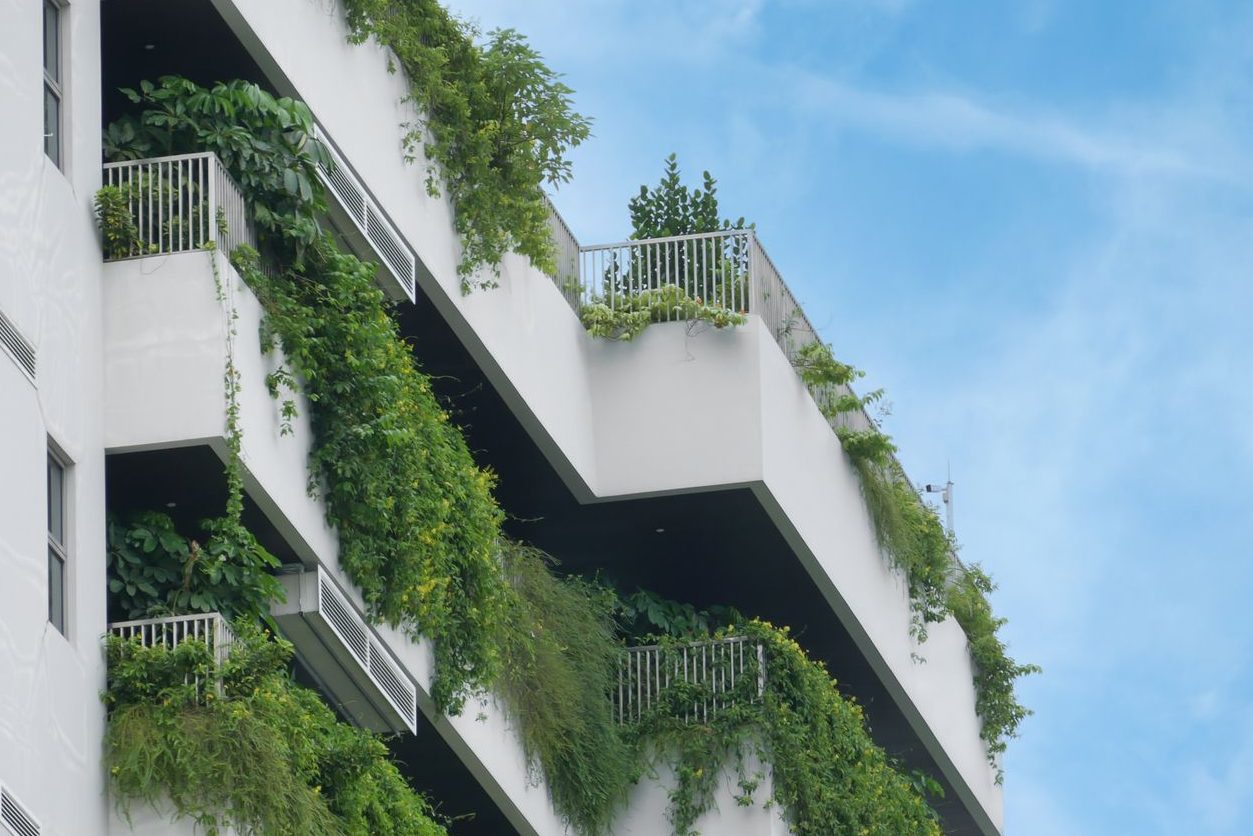
Urban gardening has been in cities since 3500 BC and has existed in many forms since. From innocuous community gardens to sprawling modern urban farms replete with aquaculture and hoop houses, gardens and farms have evolved just as cultures and cities have too. Urban gardening is the future of cities and will provide crucial fresh, local produce as we adapt to our changing climate. The how and the why of starting one these ventures are many, so let’s take a look at them.
Great Growth! Urban Gardening Around the World
Singapore
If ever there was an example of need meeting innovation, it’s in the urban farm planning of Singapore. With a population density of 19,000 people per acre it is imperative that space is properly and effectively used. One of the many great innovations in the city is that of the motorized vertical garden. The device rotates growing pods like a slow moving ferris wheel, which allows the proper amount of sun to hit the plants at the right time. It also makes it easier for the elderly folks that are being encouraged to tend to these rooftop super gardens. Some come in at a whopping 9 meters tall, providing ample grow space in a compact design. Innovations such as these are coupled with other intelligent urban design. The rise of the green skyscraper allows growing areas on often unused rooftop spaces inherent in any city. Coupled with growing spaces sprinkled throughout, it allows for another outlet of fresh, local produce. Singapore’s efficient use of space coupled with an abundance of capital to support it will allow it to produce more food locally with a high level of sophistication. Some cities may not have the resources that are available to Singapore, but they have much more space at their disposal. Urban farming is a great way to repurpose and revitalize abandoned land in cities that are adjusting to a post industrial landscape.
Milwaukee
Milwaukee, like a lot of communities in the rust belt of the United States, was built on the manufacturing industry. Detroit is a similar city, one that has lost half of it’s population in the last 60 years, taking with it the money and resources that help support a robust urban farming program. It is in urban spaces exactly like these that fresh produce and all the benefits of an urban farming project are needed the most. Growing Power was a pioneer in the practice of converting unused urban space into productive growing land. Founded by former basketball player Will Allen, Growing Power was recognized internationally for their contributions to urban farming. Due to the abundance of available land they were able to run a large scale operation complete with large hoop house greenhouses and aquaculture centers. With the ability and space to run such a large operation, Growing Power was able to provide large production output while actively revitalizing unused urban spaces. Growing power broke apart recently due to a lack of funding, but the lessons it fostered were learned by urban gardeners around the world.
London
Innovation is at the heart urban farming, whether it be the motorized grow towers of Singapore or the masterful use of abandoned lands in Milwaukee. Another great example of this is in London. GrowUp urban farms has one of the neatest takes on efficient and effective resource use in urban farming. By using old shipping containers, they were able to create an all inclusive growing environment for leafy greens and fish alike. With a greenhouse built on the top of the container providing a place for greens to grow, the interior of the container itself is outfitted for aquaculture development, making this “grow box” a unique and innovative take on urban farming. Unfortunately it has been hard for some of these projects to get off of the ground with both GrowUp and Growing Power having problems maintaining enough revenue to keep financially viable. The innovation that they brought in the form of efficiency and scaleability are lessons that helped shaped the current urban agriculture path.
Why Urban Agriculture is Important
The COVID pandemic has shown the fragility of intra and international supply chains. With the adherence to “lean manufacturing”, there is often only a short amount of back stock to tap into. There is also the changing climate and the dangers it brings, such as the dericho that flattened thousands of acres of corn land in the rural heartland in the state of Iowa’s growing region. When cities, villages, and local groups coordinate to utilize viable growing space, they are able to have a reliable supply of fresh food on a regular basis. In some Urban settings, such as the cramped quarters of Singapore, it is more a necessity than a choice. Singapore currently grows a respectable 7% of its own produce but has set goals towards self sustainability. Urban gardening and farms are almost started at the local level by motivated citizens. Here are some ways you can start a garden or farm in your area.
How to Garden In Your Urban Space
There are many factors to consider when starting a local agriculture project, like available resources and budgetary constraints. It is usually on individual citizens to unite in common cause in order to transform a lot of land to a community garden.
As an individual, there are many ways that you can bring the garden home to you. If you have a balcony or area with appropriate sunlight, than consider growing crops in potted plants. Peppers, tomatoes, green beans, and herbs are all great ways to start gardening in your home. If you are looking to put some work in to maximize your indoor growing space, consider pallet planters or a small raised bed gardens if able.
When in an urban environment with available space to use, you can always go about starting a community garden. These venerable producers of fresh fruit and veggies are a great way to bring folks together with similar interests while also generating some real output. Some community gardens are able to sustain themselves from sales alone. But that is not the only way to fund a project such as a community or rooftop garden. There is a bevy of grants and loans available for urban growers and innovators and here are a couple of places that you can start:
In the United States, the USDA handles federal grants related to urban agriculture. There is even a specialty grant program tailored towards urban agriculture located here.
The big push for growing in Singapore has intensified with the COVID pandemic, so much so that the Singapore Food Agency has allocated a large amount of additional resources to promote local growers.
In the UK, folks can check in with the Social Farms and Gardens program that helps encourage urban and community farms.
Federal programs such as the ones listed above allow an urban growing program to get off the ground when money can be hard to come by. Be sure to also check at your local level to make sure you are taking advantage of any grants offered by your local municipality. Urban gardening is a great way to beautify, unify, and supply a community. It builds bonds and friendships between citizens that may not normally get to know each other. Most importantly, it provides fresh produce to areas that may not have ready access to such things, and hope for a sustainable future for cities everywhere.

